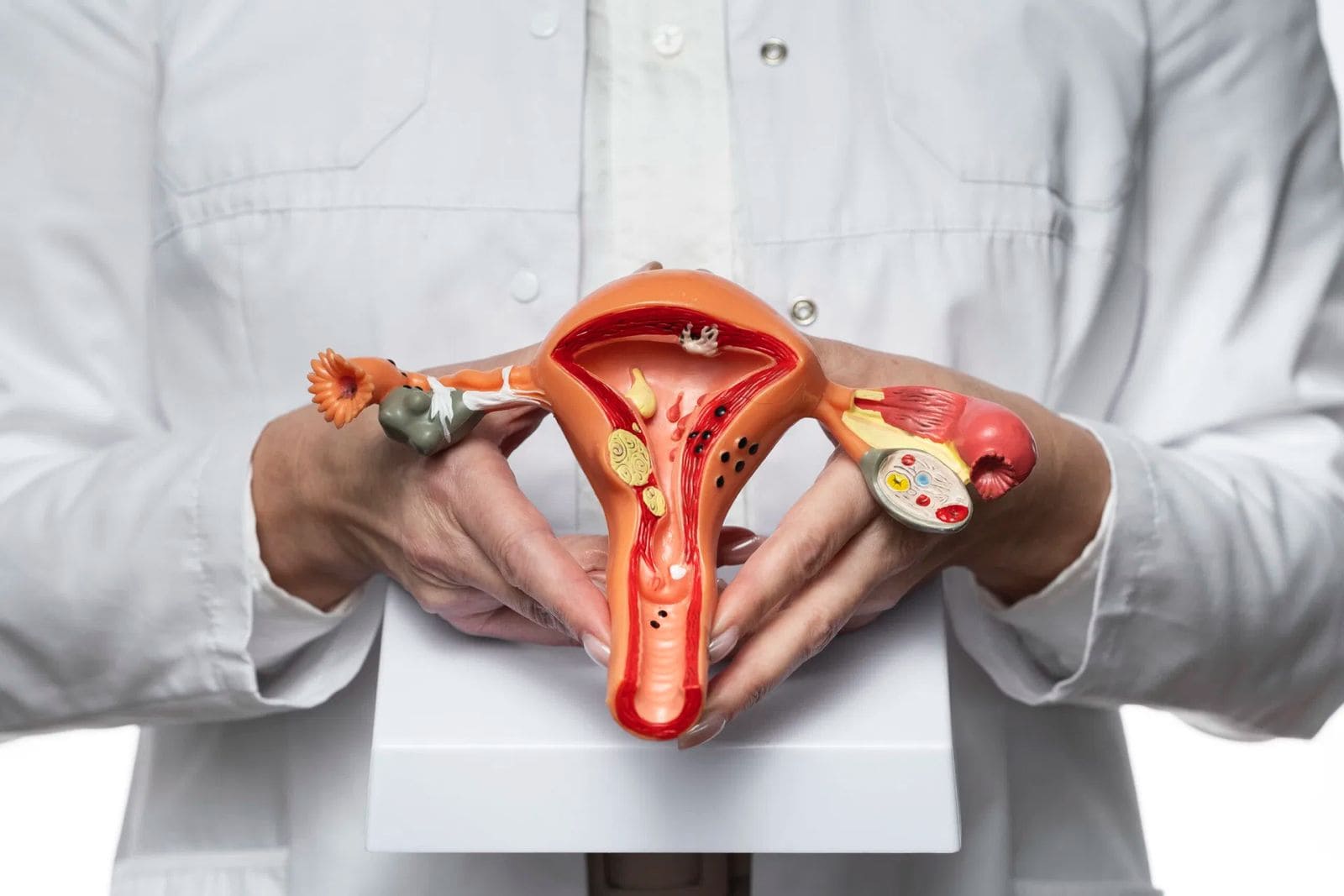
Female Urology – Expert Diagnosis & Treatment for Women's Urinary Health
Female Urology: Specialized Care for Women's Urinary Health
Female urology is a specialized branch of urology dedicated to diagnosing and treating urinary tract and pelvic floor disorders that affect women. These conditions can significantly impact daily life, causing discomfort, embarrassment, sleep disturbances, and reduced quality of life. With timely evaluation and personalized treatment, most urinary problems can be effectively managed, helping women regain confidence and improve their overall well-being.
Why Consult a Urologist for Female Urinary Problems?
Many women experiencing urinary symptoms initially consult a gynecologist because of the close relationship between the urinary and reproductive systems. While gynecologists specialize in female reproductive health, conditions involving the bladder, urethra, ureters, and kidneys require the expertise of a urologist.
A urologist is specially trained to diagnose and treat disorders such as:
Overactive bladder and bladder dysfunction requiring urodynamic evaluation
Recurrent urinary tract infections needing urine culture analysis and investigation of underlying causes
Stress urinary incontinence requiring specialized surgical treatment
Urethral narrowing (urethral stricture) requiring cystoscopic evaluation
Blood in the urine (haematuria) that needs assessment for kidney stones, bladder disorders, or urinary tract cancers
Early diagnosis allows effective treatment and helps prevent long-term complications.
Conditions We Treat
1. Recurrent Urinary Tract Infections (UTIs)
Recurrent urinary tract infections are among the most common urological problems in women. They are generally defined as two or more infections within six months or three or more infections in one year. Due to the shorter female urethra, women are naturally more prone to bacterial infections.
Rather than repeatedly prescribing antibiotics, a comprehensive evaluation is essential to identify the underlying cause, which may include bladder stones, incomplete bladder emptying, urinary tract abnormalities, kidney stones, or hormonal changes after menopause.
Treatment may include:
Urine culture and sensitivity testing
Ultrasound or other imaging studies
Cystoscopic evaluation when indicated
Culture-guided antibiotic therapy
Lifestyle modifications and preventive strategies
2. Overactive Bladder (OAB)
Overactive bladder causes a sudden and difficult-to-control urge to urinate, often accompanied by increased urinary frequency, nighttime urination, and, in some cases, urge urinary incontinence.
Although commonly associated with aging, OAB can affect women of all age groups and significantly interfere with work, travel, social activities, and sleep.
Treatment options include:
Bladder training and behavioral therapy
Pelvic floor muscle exercises
Medications
Bladder Botox (Botulinum toxin) injections for selected patients
Advanced therapies for resistant cases
3. Stress Urinary Incontinence
Stress urinary incontinence refers to urine leakage during activities that increase abdominal pressure, such as coughing, sneezing, laughing, exercising, or lifting heavy objects.
It commonly occurs after childbirth, during menopause, or due to weakening of the pelvic floor muscles.
Depending on severity, treatment may include:
Pelvic floor muscle strengthening exercises
Lifestyle modifications
Physiotherapy
Minimally invasive sling procedures (TVT/TOT)
Other reconstructive surgical options
4. Interstitial Cystitis (Painful Bladder Syndrome)
Interstitial cystitis is a chronic bladder condition characterized by pelvic pain, bladder discomfort, urinary urgency, and frequent urination without evidence of infection.
Because its symptoms often resemble recurrent UTIs, the condition may remain undiagnosed for years.
Diagnosis may involve:
Detailed clinical evaluation
Urine investigations
Cystoscopy with hydrodistension when appropriate
Treatment focuses on relieving symptoms through:
Dietary and lifestyle modifications
Bladder instillation therapies
Medications
Pain management
Individualized long-term care
5. Pelvic Organ Prolapse with Urinary Symptoms
Pelvic organ prolapse occurs when the bladder, uterus, or rectum descends into the vaginal canal due to weakening of the pelvic floor muscles.
Many women experience urinary symptoms such as:
Difficulty emptying the bladder
Frequent urinary tract infections
Urinary urgency
Weak urinary stream
Incomplete bladder emptying
Comprehensive management often involves collaboration between the urologist and gynecologist to address both pelvic support and urinary function.
6. Female Urethral Stricture
Although less common than in men, urethral stricture can occur in women and may lead to difficulty passing urine, a weak urinary stream, straining during urination, incomplete bladder emptying, and recurrent urinary infections.
Evaluation typically includes:
Uroflowmetry
Cystoscopy
Imaging when necessary
Treatment depends on the severity and location of the narrowing and may include urethral dilatation or reconstructive surgery.
7. Blood in Urine (Haematuria)
Blood in the urine—whether visible or detected only on laboratory testing—should never be ignored.
Possible causes include:
Urinary tract infection
Kidney stones
Bladder stones
Kidney disease
Bladder or kidney tumors
Other urinary tract disorders
A complete haematuria evaluation may include urine analysis, urine cytology, ultrasound or CT imaging, and cystoscopy to determine the underlying cause and ensure timely treatment.
Expert Female Urology Care
Dr. Sunit provides comprehensive evaluation and evidence-based treatment for a wide range of female urological conditions. Using advanced diagnostic techniques and personalized treatment plans, the focus is on relieving symptoms, improving urinary function, preventing recurrence, and helping women achieve a better quality of life through compassionate, patient-centered care.
Confidential Consultation
Discuss treatment options directly on WhatsApp or book an appointment.