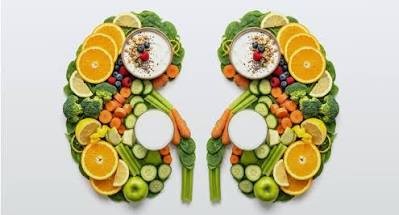
5 Key Dietary Habits to Prevent Kidney Stones
Kidney stones are one of the most common urological conditions, affecting millions of people worldwide. They develop when minerals and salts in the urine crystallize and form hard deposits inside the kidneys. Kidney stones can cause severe pain, blood in the urine, nausea, and difficulty passing urine.
The good news is that many kidney stones can be prevented through simple dietary and lifestyle changes. What you eat and drink plays a significant role in reducing your risk of stone formation.
In this article, we'll explore five evidence-based dietary habits that can help prevent kidney stones and keep your kidneys healthy.
What Are Kidney Stones?
Kidney stones are hard mineral deposits that form in the kidneys when certain substances, such as calcium, oxalate, and uric acid, become highly concentrated in the urine.
Common types of kidney stones include:
- Calcium oxalate stones (most common)
- Calcium phosphate stones
- Uric acid stones
- Struvite stones
- Cystine stones
Your diet can significantly influence the formation of these stones.
1. Stay Well Hydrated Throughout the Day
Adequate hydration is the single most effective way to prevent kidney stones. Drinking enough water dilutes the minerals in urine, making it less likely for crystals to form.
How much water should you drink?
Most adults should aim for 2.5 to 3 liters of fluids daily, though the exact amount depends on your activity level, climate, and medical conditions.
A simple way to check your hydration is by observing the color of your urine—it should be pale yellow or nearly clear.
Best fluids include:
- Water
- Coconut water (in moderation)
- Lemon water
- Fresh fruit-infused water
Limit:
- Sugary soft drinks
- Excessive energy drinks
- Sweetened fruit juices
2. Reduce Salt (Sodium) Intake
Eating too much salt causes the kidneys to excrete more calcium into the urine, increasing the risk of calcium-based kidney stones.
High-sodium foods to avoid:
- Packaged snacks
- Chips
- Instant noodles
- Processed meats
- Pickles
- Fast food
- Canned soups
Healthier alternatives:
- Fresh vegetables
- Homemade meals
- Herbs and spices instead of extra salt
Experts generally recommend limiting sodium intake to less than 2,300 mg per day, or even lower if advised by your doctor.
3. Include Calcium-Rich Foods Instead of Avoiding Calcium
Many people mistakenly believe they should avoid calcium if they have kidney stones. In reality, dietary calcium helps reduce the absorption of oxalate in the intestine, lowering the risk of calcium oxalate stones.
Good dietary calcium sources:
- Milk
- Yogurt
- Cheese
- Paneer
- Calcium-fortified foods
Avoid taking calcium supplements unless recommended by your healthcare provider, as excessive supplementation may increase stone risk in some individuals.
4. Limit Foods High in Oxalates
Oxalates are naturally occurring compounds found in many plant-based foods. In susceptible individuals, high oxalate intake may contribute to calcium oxalate stone formation.
Foods high in oxalates include:
- Spinach
- Beetroot
- Chocolate
- Nuts
- Tea
- Rhubarb
- Sweet potatoes
This doesn't mean you must completely eliminate these foods. Instead, consume them in moderation and pair them with calcium-rich foods to reduce oxalate absorption.
5. Eat More Fruits, Vegetables, and Citrate-Rich Foods
A diet rich in fruits and vegetables supports kidney health by reducing urine acidity and increasing citrate levels. Citrate is a natural substance that helps prevent stone formation by binding with calcium.
Excellent choices include:
- Lemons
- Oranges
- Sweet lime
- Watermelon
- Cucumbers
- Tomatoes
- Bananas
Adding fresh lemon juice to your daily water intake can increase urinary citrate and may help reduce the risk of kidney stones.
Additional Dietary Tips for Kidney Stone Prevention
Besides the five key habits, consider these healthy practices:
Limit Animal Protein
Excessive consumption of red meat, organ meats, and shellfish may increase uric acid levels and promote stone formation.
Choose lean proteins such as:
- Fish
- Skinless chicken
- Lentils
- Beans
- Tofu
Reduce Added Sugar
High sugar intake may increase the risk of kidney stones. Limit sweets, desserts, sugary beverages, and processed snacks.
Maintain a Healthy Weight
Obesity and metabolic disorders are associated with an increased risk of kidney stones. A balanced diet combined with regular physical activity can help lower this risk.
Foods That Support Kidney Health
Consider including these kidney-friendly foods in your diet:
- Lemon
- Orange
- Watermelon
- Cucumber
- Cauliflower
- Cabbage
- Apples
- Pears
- Low-fat dairy products
- Whole grains
- Lentils
- Oats
Foods to Limit
To reduce your risk of kidney stones, try to limit:
- Excess salt
- Processed foods
- Sugary drinks
- Excessive red meat
- High-oxalate foods (if advised by your doctor)
- Excess vitamin C supplements
- Alcohol in excess
Who Is at Higher Risk of Kidney Stones?
You may have a higher risk if you:
- Have had kidney stones before
- Have a family history of kidney stones
- Drink insufficient water
- Eat a high-sodium diet
- Consume excessive animal protein
- Are overweight or obese
- Have diabetes or gout
- Live in hot climates
If you fall into these categories, adopting preventive dietary habits is especially important.
When Should You See a Urologist?
Seek medical attention if you experience:
- Severe pain in the back or side
- Blood in the urine
- Painful urination
- Fever or chills with urinary symptoms
- Persistent nausea or vomiting
- Difficulty passing urine
Prompt evaluation can help prevent complications and determine the most appropriate treatment.
Frequently Asked Questions (FAQs)
Can drinking more water prevent kidney stones?
Yes. Drinking enough water is one of the most effective ways to prevent kidney stone formation by diluting minerals in the urine.
Should I stop eating calcium if I have kidney stones?
No. Dietary calcium is important and may actually help reduce the risk of calcium oxalate stones. Avoid restricting calcium without medical advice.
Are lemons good for preventing kidney stones?
Yes. Lemons are rich in citrate, which helps prevent certain types of kidney stones by reducing crystal formation.
Which foods should people with kidney stones avoid?
Depending on the type of stone, your doctor may recommend limiting foods high in sodium, oxalates, added sugars, or excessive animal protein.
Can kidney stones come back?
Yes. Without proper dietary and lifestyle changes, kidney stones can recur. Staying hydrated and following preventive measures significantly reduces this risk.
Conclusion
Kidney stones can be painful, but many cases are preventable through healthy dietary habits. Drinking plenty of water, reducing salt intake, consuming adequate dietary calcium, moderating oxalate-rich foods, and eating more fruits and vegetables can significantly lower your risk.
If you've had kidney stones before or are experiencing symptoms such as severe pain, blood in the urine, or recurrent urinary issues, consult a qualified urologist for evaluation and personalized treatment. Early intervention and the right nutritional choices can help protect your kidneys and prevent future stone formation.