Keyhole & Laser Procedures in Urology | Modern Treatment
The Era of Keyhole & Laser Procedures in Urology
Advancements in medical technology have revolutionized the way urological conditions are diagnosed and treated. Traditional open surgeries, which once required large incisions, prolonged hospital stays, and lengthy recovery periods, are now being replaced by keyhole (minimally invasive) and laser-based procedures.
These modern techniques have transformed patient care by offering less pain, minimal blood loss, faster recovery, smaller scars, and excellent treatment outcomes. Whether it's kidney stones, enlarged prostate, urinary tract obstruction, or bladder conditions, minimally invasive urology has become the preferred approach for many patients.
In this blog, we'll explore how keyhole and laser procedures are shaping the future of urology and why they have become the gold standard for treating various urinary tract disorders.
What Are Keyhole (Minimally Invasive) Procedures?
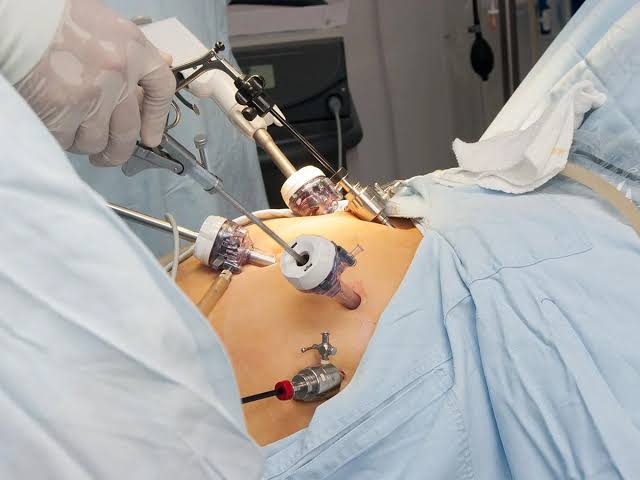
Keyhole surgery, also known as minimally invasive surgery, involves performing operations through very small incisions or natural urinary passages using specialized instruments and high-definition cameras.
Unlike conventional open surgery, keyhole procedures allow surgeons to treat conditions with greater precision while minimizing damage to surrounding tissues.
Advantages of Keyhole Procedures
- Smaller incisions
- Less postoperative pain
- Minimal blood loss
- Lower risk of infection
- Faster recovery
- Shorter hospital stay
- Better cosmetic results with minimal scarring
- Earlier return to work and daily activities
What Is Laser Surgery in Urology?
Laser surgery uses highly focused beams of light to cut, vaporize, or break down tissues with exceptional precision. In urology, lasers are widely used because they can treat many conditions without the need for large surgical incisions.
Laser technology allows urologists to perform delicate procedures while preserving healthy tissue, reducing bleeding, and improving patient comfort.
Conditions Treated with Keyhole & Laser Procedures
Modern urology offers minimally invasive treatment for a wide range of conditions.
1. Kidney Stones
Laser technology has transformed kidney stone treatment.
Common procedures include:
- Flexible Ureteroscopy (URS) with Laser Lithotripsy
- Mini-PCNL (Mini Percutaneous Nephrolithotomy)
- RIRS (Retrograde Intrarenal Surgery)
During these procedures, a tiny scope is passed through the urinary tract to locate the stone, and a laser breaks it into fine fragments that can pass naturally or be removed.
Benefits
- No large incision
- High stone clearance rate
- Less pain
- Faster recovery
- Minimal bleeding
2. Enlarged Prostate (BPH)
Laser procedures have become one of the safest and most effective treatments for Benign Prostatic Hyperplasia (BPH).
Common options include:
- HoLEP (Holmium Laser Enucleation of the Prostate)
- GreenLight Laser Therapy
- Laser Vaporization of the Prostate
Benefits
- Improved urine flow
- Minimal bleeding
- Short catheter duration
- Reduced hospital stay
- Suitable even for larger prostates and patients on blood thinners (depending on individual assessment)
3. Ureteric Stones
Stones lodged in the ureter can be removed using Ureteroscopy (URS) combined with laser technology.
This procedure offers:
- High success rates
- Minimal discomfort
- Quick recovery
- No external incision
4. Bladder Stones
Bladder stones can be fragmented using laser energy and removed endoscopically without open surgery.
Patients typically experience:
- Less pain
- Faster healing
- Reduced risk of complications
5. Urethral Stricture Disease
Narrowing of the urethra can often be treated using minimally invasive endoscopic procedures or laser-assisted techniques, depending on the location and severity of the stricture.
6. Certain Kidney and Bladder Tumors
Selected small tumors may be treated using minimally invasive endoscopic techniques, allowing precise removal while preserving healthy tissue whenever appropriate.
Advanced Technologies Used in Modern Urology
Today's urology centers utilize advanced equipment that enhances both safety and treatment outcomes.
These technologies include:
- High-definition endoscopic cameras
- Holmium laser systems
- Flexible ureteroscopes
- Digital cystoscopes
- Mini-PCNL instruments
- Bipolar resection systems
- Fluoroscopy and ultrasound-guided imaging
These innovations allow urologists to diagnose and treat complex conditions with greater precision.
Benefits of Laser & Keyhole Procedures
Patients often choose minimally invasive treatments because of their many advantages.
Less Pain
Smaller incisions and reduced tissue trauma result in less postoperative discomfort.
Minimal Blood Loss
Laser energy seals blood vessels during treatment, reducing bleeding.
Lower Risk of Infection
Smaller wounds decrease the likelihood of postoperative infections.
Faster Recovery
Many patients resume normal activities within days rather than weeks.
Short Hospital Stay
Several procedures are performed as day-care surgeries or require only an overnight stay.
Better Cosmetic Results
Tiny incisions leave minimal or no visible scars.
Improved Precision
Advanced imaging and laser technology allow accurate treatment while protecting surrounding healthy tissues.
Who Can Benefit from These Procedures?
You may be a suitable candidate if you have:
- Kidney stones
- Enlarged prostate (BPH)
- Recurrent urinary tract obstruction
- Ureteric stones
- Bladder stones
- Blood in urine requiring endoscopic evaluation
- Urethral stricture
- Certain bladder or kidney conditions requiring minimally invasive treatment
The most appropriate procedure depends on your diagnosis, overall health, and the size and location of the condition.
Preparing for a Keyhole or Laser Procedure
Before surgery, your urologist may recommend:
- Blood investigations
- Urine tests
- Ultrasound or CT scan
- ECG (if required)
- Review of current medications
- Temporary discontinuation of blood-thinning medications if medically appropriate
Following your doctor's instructions helps ensure a safe procedure and smooth recovery.
Recovery After Minimally Invasive Urological Surgery
Recovery is generally quicker than with traditional open surgery.
Patients are usually advised to:
- Stay well hydrated
- Take prescribed medications
- Avoid heavy lifting for a short period
- Attend scheduled follow-up visits
- Report symptoms such as fever, severe pain, or difficulty passing urine immediately
Most patients notice significant improvement in symptoms within a short time.
Why Early Treatment Matters
Ignoring urological symptoms can lead to complications such as:
- Kidney damage
- Recurrent urinary tract infections
- Persistent pain
- Urinary retention
- Bladder damage
- Reduced kidney function
Seeking timely medical care allows early intervention and access to less invasive treatment options.
Frequently Asked Questions (FAQs)
Is keyhole surgery painful?
Most patients experience significantly less pain compared to traditional open surgery because only small incisions—or sometimes no external incisions—are required.
Is laser surgery safe?
Yes. Laser procedures are widely used in modern urology and are considered safe when performed by experienced urologists on appropriately selected patients.
How long is the recovery period?
Recovery depends on the type of procedure, but many patients return to routine activities within a few days to two weeks.
Will I have visible scars?
Most endoscopic laser procedures do not require external incisions, while keyhole surgeries leave only tiny scars.
Are all urological conditions treated with laser surgery?
No. Although laser technology is highly effective for many conditions, the most appropriate treatment depends on your diagnosis, overall health, and clinical findings.
Why Choose Advanced Minimally Invasive Urology?
Modern keyhole and laser procedures have dramatically improved the treatment of urological diseases. Compared with conventional surgery, they provide safer procedures, quicker recovery, reduced pain, shorter hospital stays, and excellent long-term outcomes.
An experienced urologist can evaluate your condition and recommend the most suitable minimally invasive treatment to help you recover comfortably and return to your daily routine as quickly as possible.
Conclusion
The era of keyhole and laser procedures has transformed urology by making treatment safer, more precise, and more comfortable for patients. Whether you're dealing with kidney stones, an enlarged prostate, bladder stones, or other urinary tract conditions, these advanced techniques offer effective solutions with minimal disruption to your life.
If you are experiencing urinary symptoms or have been diagnosed with a urological condition, consult a qualified urologist to learn whether a minimally invasive or laser procedure is the right option for you. Early diagnosis and timely treatment can lead to better outcomes and improved quality of life.