Understanding Enlarged Prostate: Symptoms & Solutions
What Is an Enlarged Prostate?
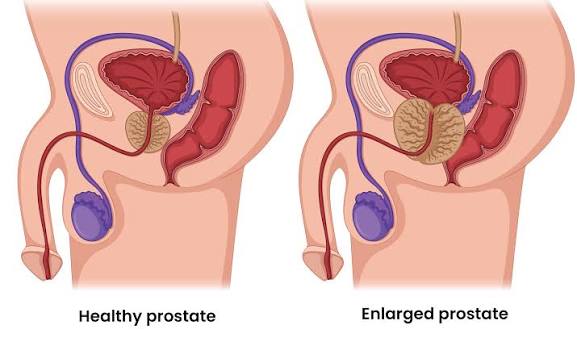
The prostate is a small walnut-sized gland located below the bladder and surrounding the urethra (the tube that carries urine out of the body). Its primary role is to produce fluid that nourishes and transports sperm.
As men age, the prostate naturally grows larger. In some individuals, this growth compresses the urethra, restricting urine flow and causing urinary problems. This non-cancerous enlargement is called Benign Prostatic Hyperplasia (BPH).
BPH is extremely common:
- Around 50% of men over 50 years
- Nearly 70% of men over 60 years
- Up to 90% of men over 80 years
Although common, BPH should never be ignored because untreated cases may lead to bladder damage, urinary retention, infections, or kidney problems.
Causes of Enlarged Prostate
The exact cause of BPH isn't fully understood, but several factors contribute to prostate enlargement.
Age
Age is the biggest risk factor. The prostate continues growing throughout life, making enlargement common after age 45.
Hormonal Changes
Changes in testosterone and estrogen levels influence prostate growth.
Family History
Men with close relatives who have BPH are more likely to develop it.
Obesity
Excess body weight increases inflammation and hormonal imbalance, raising the risk.
Diabetes
High blood sugar levels can contribute to prostate enlargement.
Sedentary Lifestyle
Lack of physical activity may worsen urinary symptoms.
Heart Disease
Poor cardiovascular health has been linked to BPH progression.
Common Symptoms of Enlarged Prostate
Symptoms usually develop gradually and worsen over time.
Urinary Symptoms
- Frequent urination
- Sudden urge to urinate
- Difficulty starting urination
- Weak urine stream
- Interrupted urine flow
- Straining while urinating
- Dribbling after urination
- Feeling that the bladder is not completely empty
- Need to urinate multiple times during the night (Nocturia)
Advanced Symptoms
If left untreated, symptoms may progress to:
- Complete inability to urinate
- Blood in urine
- Bladder stones
- Recurrent urinary tract infections
- Pain during urination
- Kidney damage due to urine backflow
These symptoms require immediate medical attention.
When Should You See a Urologist?
Consult a urologist if you experience:
- Frequent nighttime urination
- Difficulty emptying your bladder
- Weak urine flow
- Sudden inability to urinate
- Blood in urine
- Painful urination
- Recurrent urinary infections
Early diagnosis helps prevent complications and allows simpler treatment options.
How Is Enlarged Prostate Diagnosed?
A urologist may recommend several tests.
Medical History
Your doctor will discuss:
- Symptoms
- Medical history
- Medications
- Lifestyle
- Family history
Physical Examination
A Digital Rectal Examination (DRE) helps assess the size and texture of the prostate.
Urine Test
Checks for:
- Infection
- Blood
- Kidney issues
PSA Blood Test
The Prostate-Specific Antigen (PSA) test helps evaluate prostate conditions and rule out prostate cancer when necessary.
Ultrasound
Ultrasound imaging evaluates:
- Prostate size
- Bladder condition
- Residual urine after urination
Uroflowmetry
Measures the speed and strength of urine flow.
Post Void Residual (PVR)
Measures how much urine remains in the bladder after urination.
Cystoscopy
In selected cases, a small camera is used to examine the urinary tract and bladder.
Treatment Options for Enlarged Prostate
Treatment depends on:
- Severity of symptoms
- Prostate size
- Age
- Overall health
- Presence of complications
Lifestyle Changes
Mild symptoms often improve with healthy lifestyle habits.
Drink fluids wisely
Reduce fluid intake before bedtime.
Limit caffeine and alcohol
These increase urine production and bladder irritation.
Maintain a healthy weight
Weight management helps reduce symptoms.
Stay physically active
Regular exercise improves urinary function.
Empty your bladder completely
Avoid rushing during urination.
Avoid delaying urination
Respond promptly to the urge to urinate.
Medications
Doctors may prescribe medications to relieve symptoms.
Alpha Blockers
These relax prostate and bladder muscles, improving urine flow.
Examples include:
- Tamsulosin
- Alfuzosin
- Silodosin
5-Alpha Reductase Inhibitors
These gradually shrink the prostate.
Examples:
- Finasteride
- Dutasteride
Combination Therapy
Many patients benefit from using both medication types together.
Minimally Invasive Treatments
When medicines are ineffective, minimally invasive procedures may provide long-term relief.
Benefits include:
- Minimal pain
- Faster recovery
- Less bleeding
- Short hospital stay
- Lower complication rates
Common procedures include:
- Laser Prostate Surgery
- HoLEP (Holmium Laser Enucleation of the Prostate)
- TURP (Transurethral Resection of the Prostate)
- Bipolar TURP
- GreenLight Laser Therapy
- UroLift (selected patients)
- Rezūm Water Vapor Therapy
Your urologist will recommend the most suitable option based on prostate size and overall health.
Can Enlarged Prostate Be Prevented?
Although aging cannot be prevented, adopting healthy habits may reduce the risk or delay symptom progression.
Eat a balanced diet
Include:
- Fruits
- Vegetables
- Whole grains
- Nuts
- Healthy fats
Exercise regularly
Aim for at least 30 minutes of physical activity most days of the week.
Maintain healthy body weight
Reducing obesity lowers inflammation and hormonal imbalance.
Control Diabetes and Blood Pressure
Managing chronic conditions supports better prostate health.
Avoid Smoking
Smoking may worsen urinary symptoms and circulation.
Schedule Regular Health Checkups
Routine prostate evaluations help detect problems early.
Possible Complications of Untreated Enlarged Prostate
Ignoring symptoms may lead to serious complications.
These include:
- Acute urinary retention
- Bladder damage
- Kidney damage
- Bladder stones
- Recurrent urinary tract infections
- Blood in urine
- Reduced quality of life
Prompt treatment can prevent most of these complications.
Frequently Asked Questions (FAQs)
Is an enlarged prostate cancer?
No. Benign Prostatic Hyperplasia (BPH) is a non-cancerous enlargement of the prostate. However, similar symptoms can occur with prostate cancer, so medical evaluation is essential.
At what age does prostate enlargement usually occur?
Most men begin experiencing prostate enlargement after the age of 50, though it may occur earlier in some individuals.
Can an enlarged prostate go away on its own?
Typically, no. Mild symptoms may remain stable, but the condition generally progresses over time without treatment.
Is surgery always necessary?
No. Many men can effectively manage BPH with lifestyle changes and medications. Surgery or minimally invasive procedures are recommended only when symptoms are severe or complications arise.
Can drinking less water cure BPH?
No. While reducing fluids before bedtime may help decrease nighttime urination, it does not treat the underlying enlargement.
How long does recovery take after laser prostate surgery?
Most patients recover within a few days to a couple of weeks, depending on the specific procedure and individual health.
Expert Care for Enlarged Prostate
An enlarged prostate is a common condition, but it doesn't have to disrupt your daily life. With early diagnosis, appropriate treatment, and healthy lifestyle habits, most men experience significant improvement in urinary symptoms and overall quality of life.
If you're experiencing frequent urination, weak urine flow, or difficulty emptying your bladder, don't ignore these signs. Early consultation with a qualified urologist can help prevent complications and ensure the best possible outcome.
Conclusion
Benign Prostatic Hyperplasia (BPH) is a manageable condition with a wide range of effective treatment options, from lifestyle changes and medications to advanced minimally invasive procedures. Understanding the symptoms and seeking timely medical advice can help you maintain urinary health and continue enjoying an active, healthy life.